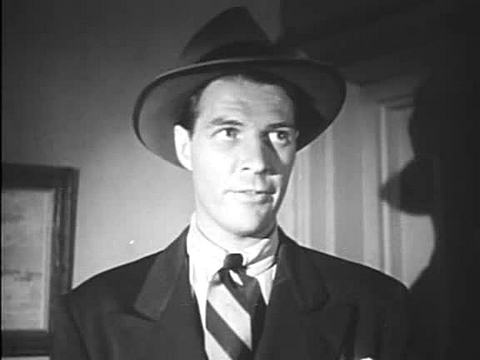
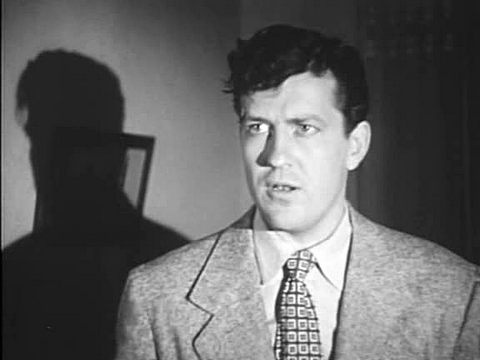
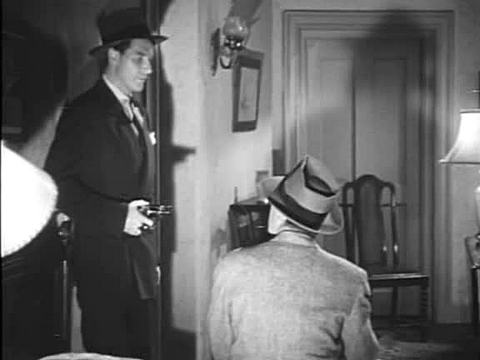
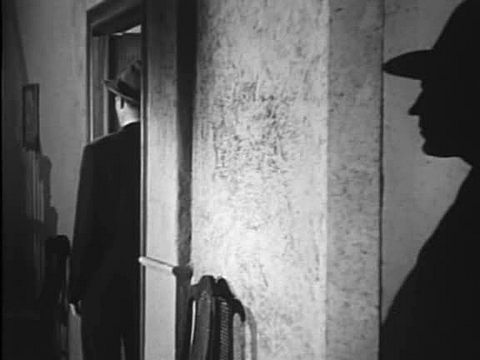
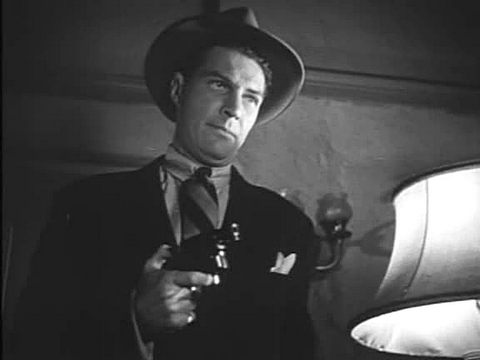
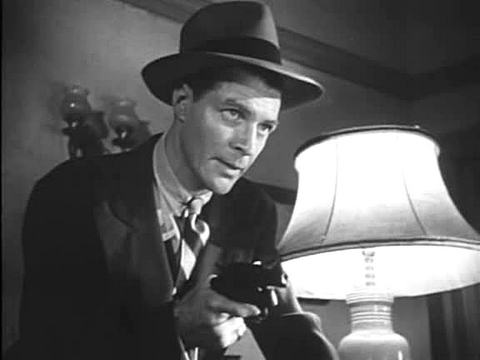
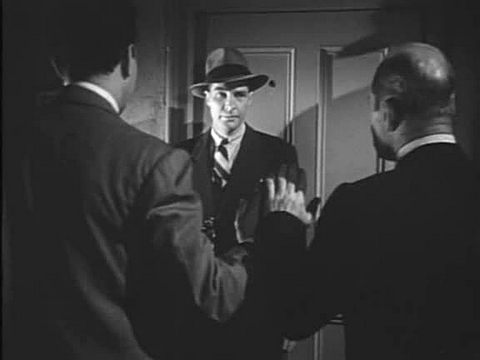
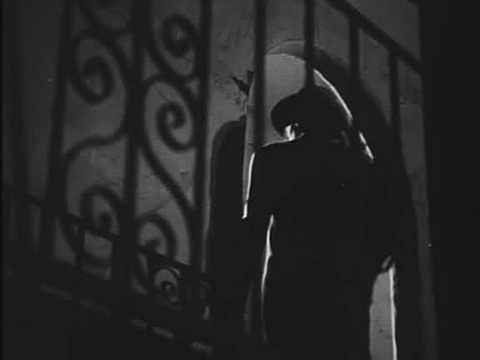
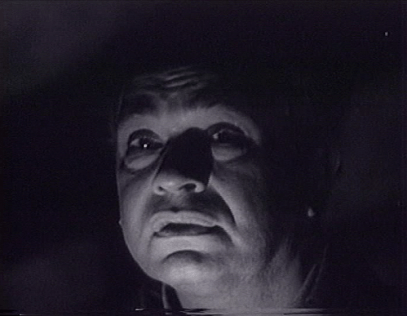
The Bigamist (1953): Shades of grey

Much is made of Ida Lupino as one of the very few women who directed a Hollywood feature during the Classic period.  A creditable achievement for sure.  But she is best remembered as an actress and deservedly so.  As a director she was ok only.  She helmed the solid desert noir The Hitch-Hiker (1953) and legend has it had a role in directing the studio-imposed soft-ending in On Dangerous Ground (1952) after Nicholas Ray lost interest.

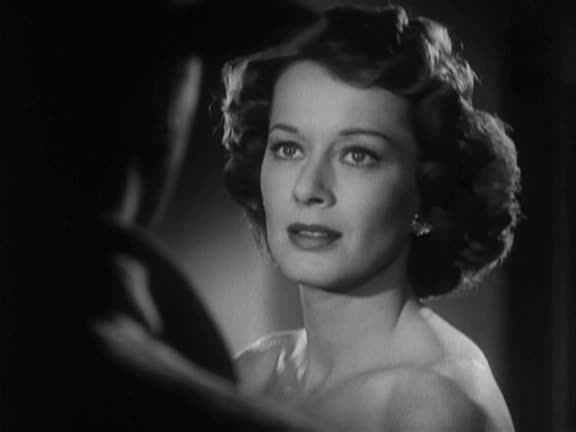
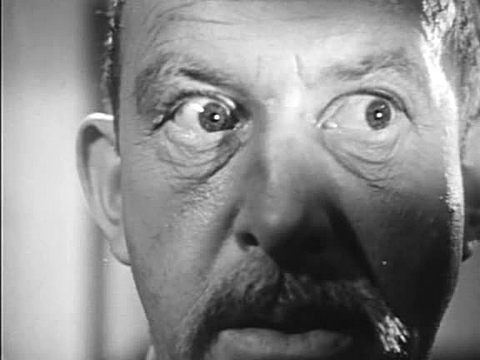
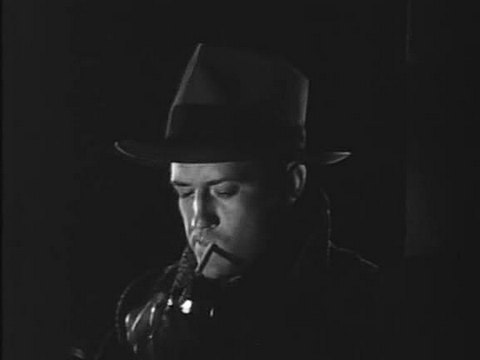
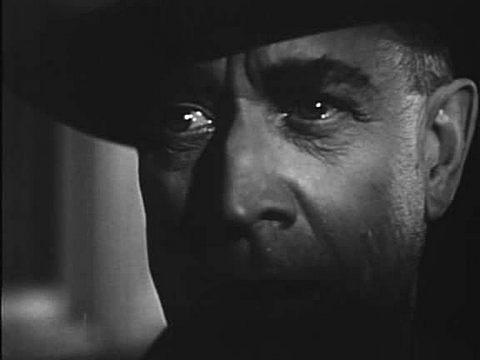
The Bigamist is not really a noir in the accepted sense but it has noir overtones. As well as directing, Lupino stars with Edmund O’Brien and Joan Fontaine. O’Brien is the bigamist, and Lupino and Fontaine the hapless wives. The strength of the picture is in the lead performances and the screenplay, which for the period is quite brave, dealing sensitively with extra-marital sex and single motherhood.  The film was an independent production of Lupino and ex-husband Collier Young, who adapted the script from a story by Larry Marcus and Lou Schor. You could say the script is soft on the bigamist. He is punished, but there is maturity and sensitivity in a scenario where decent people get themselves into a mess not so much because of selfishness or wilful deceit – rather due to all too normal human frailties.

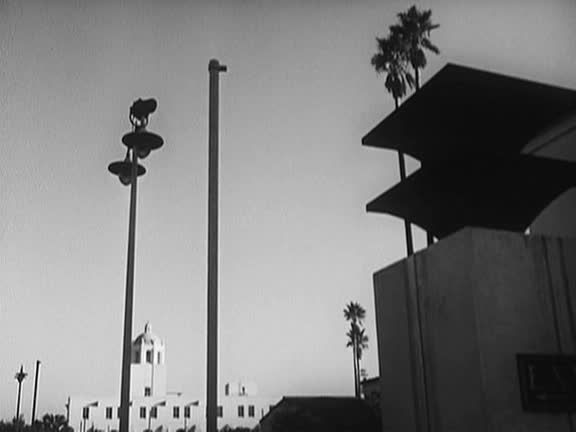
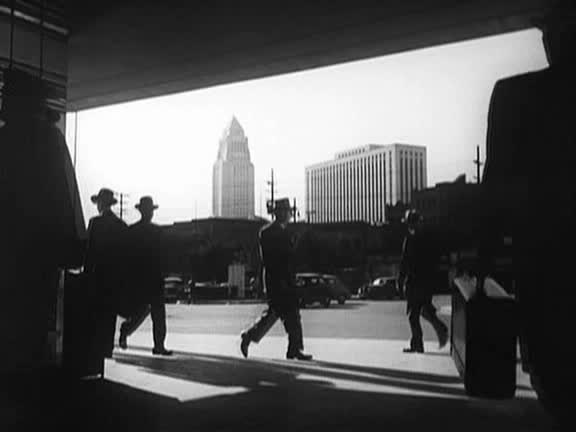
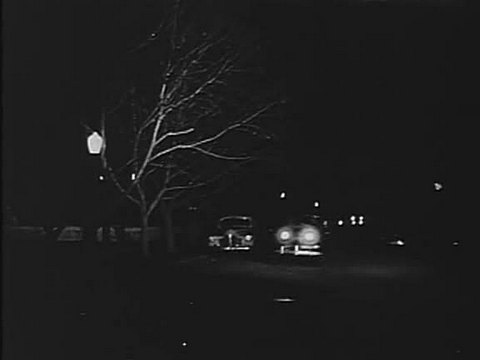
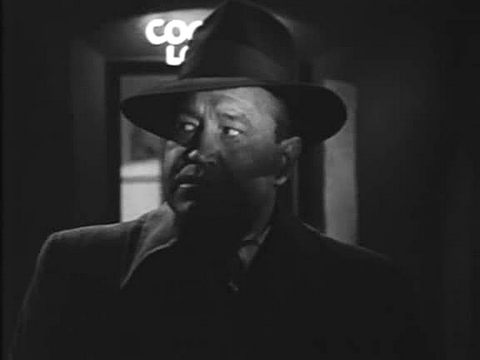
Visually, The Bigamist is nondescript, with Lupino as director failing to utilise the proven skills of DP George Diskant – though she does infuse street scenes of LA with the isolation of the lonely out-of-towner O’Brien. (She also failed to leverage the talent of Nick Musuraca, who lensed The Hitch-Hiker.)

The noir element is of entrapment through moral weakness. O’Brien is a lonely travelling salesman in LA when he meets Lupino a young waitress on a Hollywood bus tour. In fits and starts a relationship develops and one thing leads to another, but not before O’Brien tries to extricate himself.  He has a wife in Frisco, who after finding out she is barren has become his business partner. The partnership becomes more one of business than marriage, and O’Brien who is weak and perhaps too sensitive, digs himself deeper and deeper into a bind that cannot be broken without tragic consequences.  An ambivalence that refuses to judge evokes strong realistic performances from the leads, and enlists the audience’s sympathy without overt melodrama.

A film for mature adults who understand the true meaning of ‘shades of grey’.
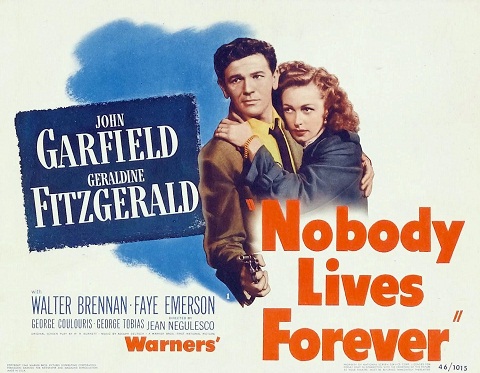
 

Nobody Lives Forever (1946): Dark Romance

In the opening scene of Nobody Lives Forever, wounded WW2 Nick Blake (John Garfield) is heard in voice-over introducing his home-town as the New York sky-line – viewed from his military hospital bed – moves across the screen. After he is honourably discharged, Nick heads straight to his apartment to find his girl (Faye Emerson) and the 50 g’s she has been keeping for him. Turns out she has two-timed him with a crooked lothario who shares her bed and the running of a night-club, where she sings. When confronted, she claims she lost his dough in a club venture that failed.

Nick who by now we gather was an ace con-man before he was drafted, knows better, and after roughing up the new boyfriend gets his money back plus interest. His loyal side-kick Al (George Tobias), who was the only person to greet him when he left the military hospital, wants Nick to get back into the ‘game’. But Nick wants a holiday, and they head for the beach in sunny California, where they proceed to blow the readies in a plush beach-house. Nick is not happy, walking aimlessly along the beach, sullen and withdrawn, and indifferent to the swim-suited babes running in the sand. He has looked up his old friend, Pop (Walter Brennan), an old grifter reduced to lifting wallets from carney suckers as they stare through his dime-a-view telescope. They will keep in touch.
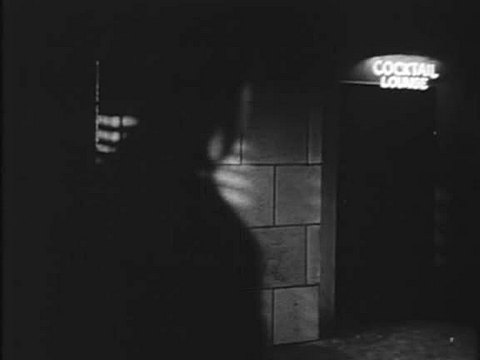
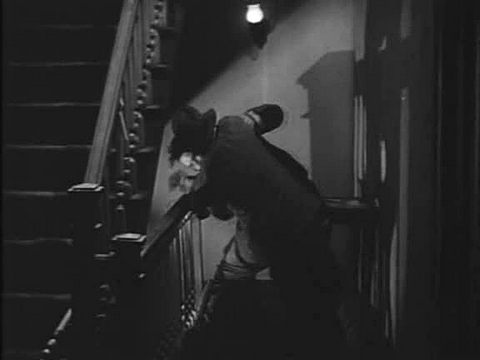
Another has-been from the old days, Doc (George Coulouris), holed-up in a cheap hotel with a couple of low-rent heavies, has a mark, but no cash to finance the con. A lonely rich widow worth a cool $2 million is staying in a nearby exclusive hotel. Doc, who resents his lowered straits, gets wind of Nick’s being in town, and through Pop, they entice Nick into putting up the money, but to the chagrin of Doc, Nick insists he handle the con himself.

The rest of the story plays out predictably, with a final shoot-out on a fog-laden wharf.

W.R Burnett adapted his novel ‘I Wasn’t Born Yesterday’ for the screenplay. Burnett wrote stronger stories than this one – two successfully made into great noirs – High Sierra and The Asphalt Jungle. Burnett’s protagonists typically find a dark redemption in losing. Burnett’s writing while hard-boiled has a lyrical quality that reconciles the doomed trajectory of his anti-heroes, who crash out like a comet across the night sky. In Nobody Lives Forever, Burnett engineers a redemption by proxy.

Nobody Lives Forever is very much more than the sum of its parts. A great cast, the accomplished direction of Jean Negulesco (The Mask of Dimitrios, Road-House), and the rich photography of veteran DP Arthur Edeson, deliver for the discerning viewer a rich and satisfying complexity.

The cast is really superb. Garfield’s signature integrity gives Nick a depth that sustains close scrutiny. Geraldine Fitzgerald is iridescent as the widow; a mature woman of calm beauty and deep feeling, who any man would fall for. Tobias does nicely as a comic foil. Brennan imbues the washed-up old man with a real pathos, and Coulouris is his feverish best as the envious distrusting hood who once had ‘class’.

Paradoxically, Nick has come back from the war not so much damaged, but uncertain and angry about his life before the war. He has the male pride of a hood on the top of his game, but he is vulnerable. Betrayed by the woman he left behind, and in a different and more profound way betrayed by the person he used to be. The futility and violence of the war, and the valour and decency of his comrades, has been subversive. He is cranky and aimless on the sunny beach, because his old life is no longer what he wants. The modern Greek poet George Seferis evoked this kind of angst in one of his poems: “We found our life was a mistake, and we changed our life.” It will take the love of a good woman and a violent paroxysm for Nick’s alienation to find a path to redemption. Charon will also exact a heavy price. “Nobody lives forever.”

______________________
Warner Archive will release the never-available-before DVD of Nobody Lives Forever on July 19. Pre-order from Amazon.

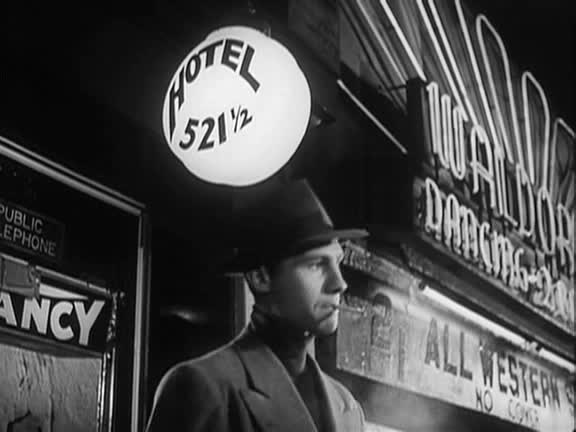
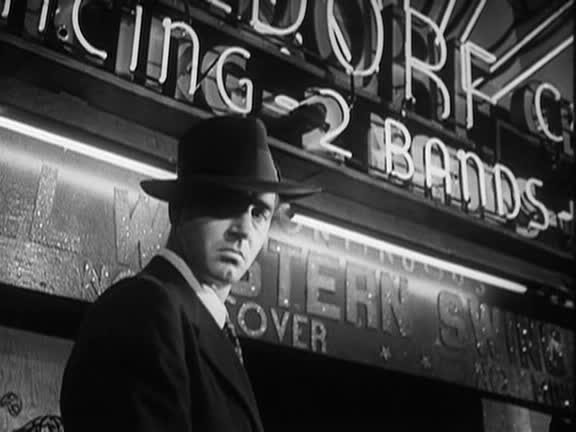
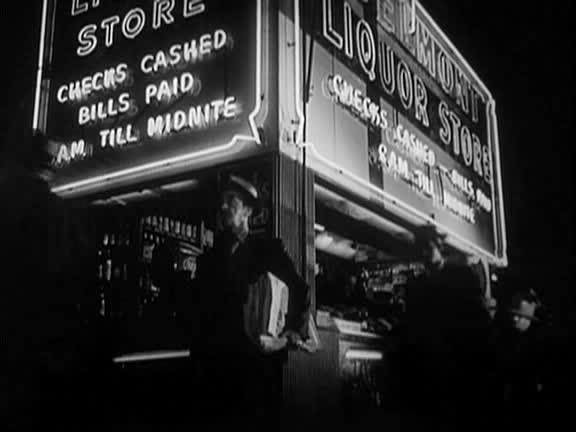
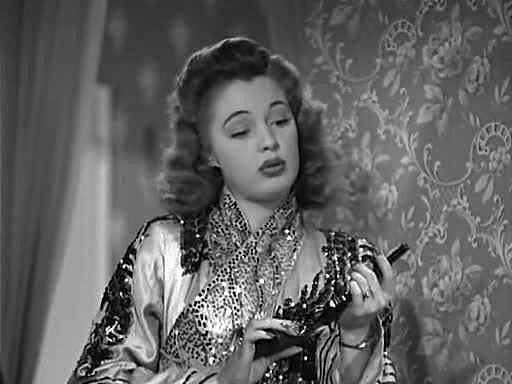
The Crooked Way (1949): John Alton’s L.A.

In the 1949 United Artists release The Crooked Way (90 mins) a WW2 vet with amnesia returns to Los Angeles to find himself. Turns out his past is less than savory. A stolid performance by John Payne as the vet is limiting, but the no-nonsense screenplay avoids melodrama and sustains interest to a violently baroque shootout at the end. Solid cameos by Sonny Tufts as a vindictive gang boss and the ever-worthy Percy Helton as a consumptive small-time hood add value. Minor actress Ellen Drew as the wife the vet didn’t know he had, delivers a great portrayal worthy of Ida Lapino or Claire Trevor – a woman made hard and vengeful by past mistreatment softens into a loyal partner and lover.

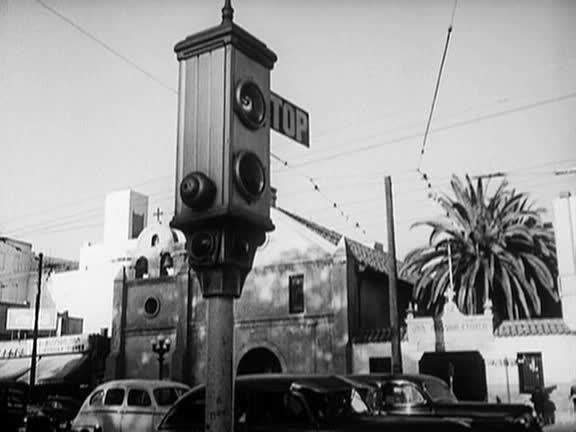
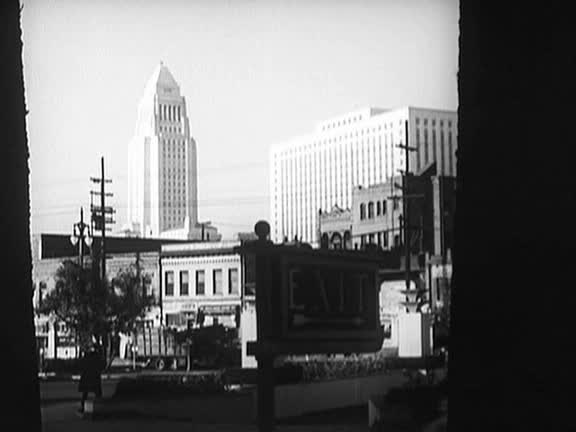
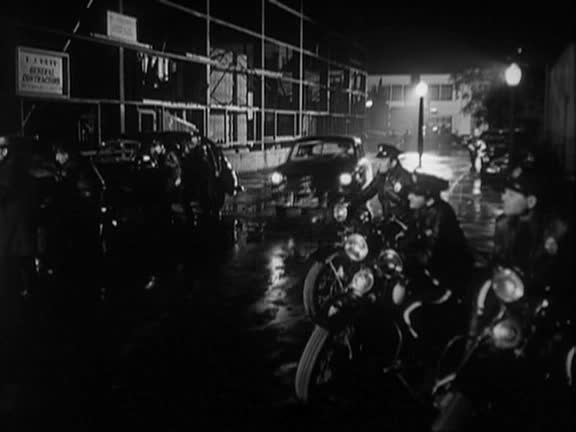
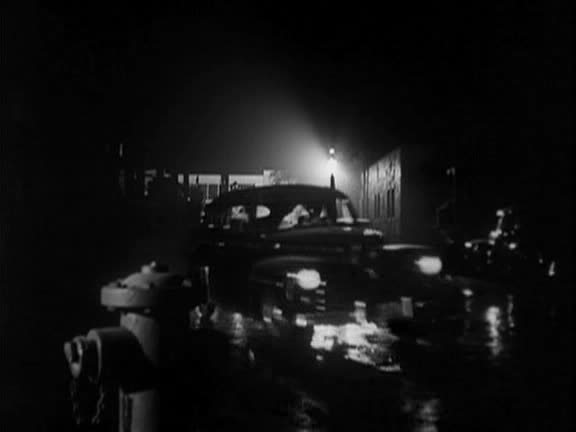
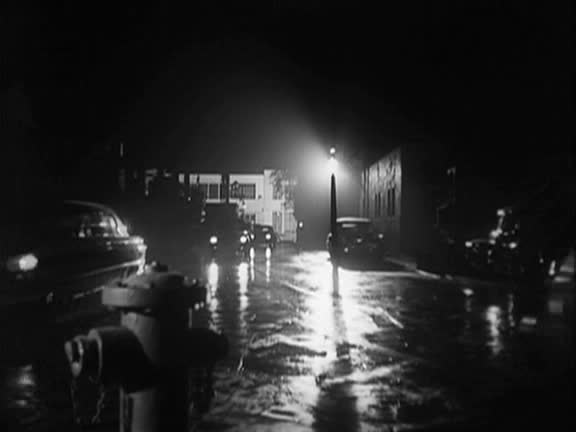
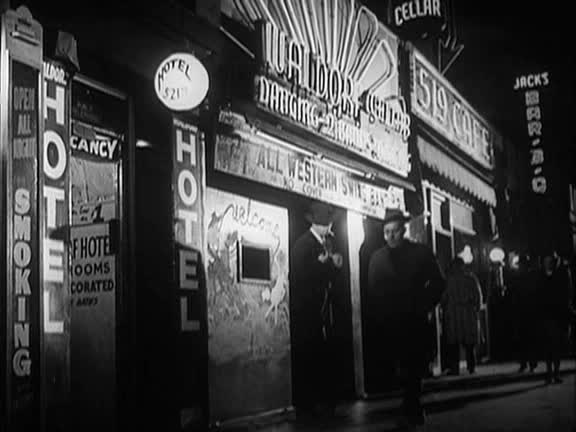
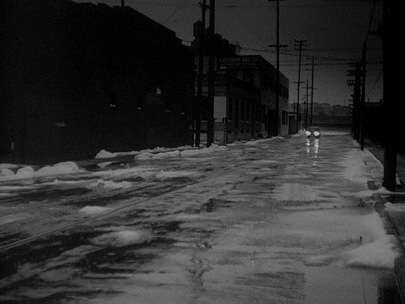
But the real star is DP John Alton who delivers expressive noir visuals that are breathtaking and so accomplished they underpin the direction of Robert Florey.

Here is Alton’s Los Angeles:


The Great Flamarion (1945): Love is a Gun

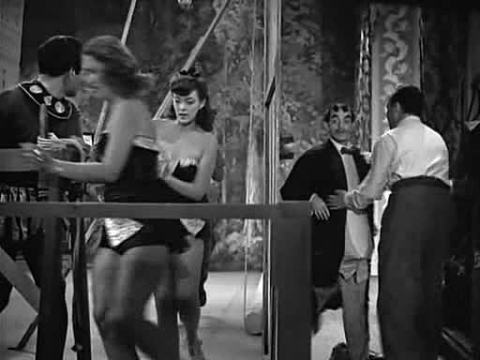
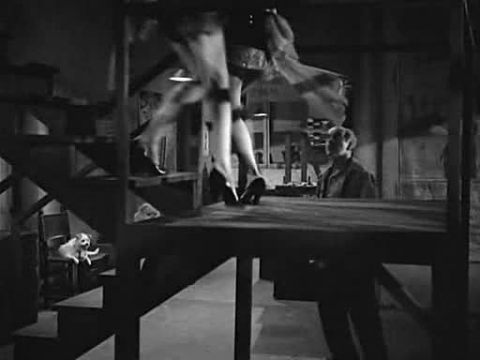
Mexico 1936. A small crowd is queuing to buy tickets to a vaudeville-style show. The camera follows the patrons down the center aisle as they find seats, and then moves just short of the stage and settles on the current musical act. The opening shot continues as Tony Cómico starts his skit until it is interrupted by two gun-shots followed by a woman’s scream from off-stage.  Cut backstage. All panic but sex is the focus. Well-endowed chorines with shapely legs run amok. The commotion settles as a female performer’s body is found in a dressing room. Meanwhile only the viewer knows a man is hiding above the stage. The cops arrive, investigate, and leave, and Tony the comic is left to lock-up. The man above the stage falls down onto the stage. He is mortally wounded. He must tell all quickly. There is no time as he will be dead by the time the cops are called. He confesses to the murder and in flashback relates his story to Tony.

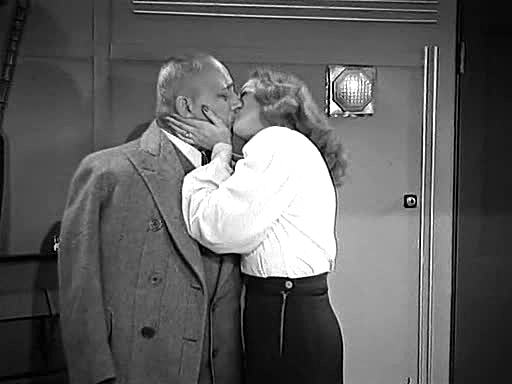
The use of  flashback destroys the mystery. The film from this point has no tension, and all unfolds predictably. Director Anthony Mann in this early effort does only an adequate job dragging proceedings along . The murderer is played by the ever eccentric Erich von Stroheim, and the amply nubile b-regular Mary Beth Hughes is a femme-fatale high on aphrodisiac, with her always drunk husband a perfect fit for Dan Duryea, who early on suffers the same fate as Phyllis Dietrichson’s better-half. So we have a murder from Scarlet Street (1945) out-of Double Indemnity (1944).

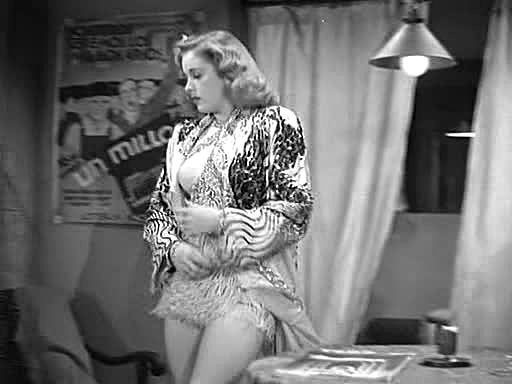
What is interesting though is the overtly sexual mise-en-scene. Guns as deadly erotic toys and the female body displayed as deeply fecund and corrupting.  The story was written by Anne Wigton, who also worked on the screenplay. Another b-noir Strange Impersonation, where a dame is a blackmailer, released in the following year, was also based on a story by Wigton. Wigton wrote only two stories after acting in bit-parts in the early 40s, and before disappearing into obscurity.

As well as predatory female sexuality, The Great Flamarion features an anti-hero who shows no remorse for killing the hapless husband. This is not Scarlet Street, and there is no honeysuckle.


Shoot to Kill (1947): Visual Poetry

In a 1954 interview, French director Jean Renoir said:  “Don’t go thinking that I despise “B” pictures; in general I like them better than big, pretentious psychological films they’re much more fun. When I happen to go to the movies in America, I go see “B” pictures. First of all, they are an expression of the great technical quality of Hollywood. Because, to make a good western in a week, the way they do at Monogram, starting Monday and finishing Saturday, believe me, that requires extraordinary technical ability; and detective stories are done with the same speed. I also think that “B” pictures are often better than important films because they are made so fast that the filmmaker obviously has total freedom; they don’t have time to watch over him.”

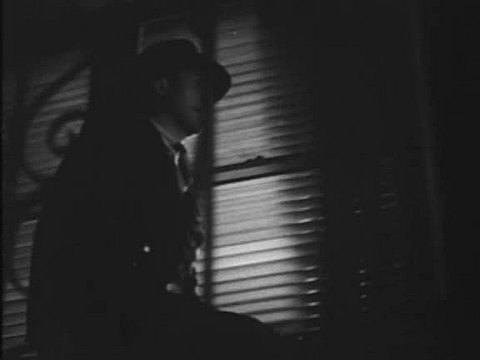
Shoot To Kill (aka Police Reporter 1947) is one of those b-pictures so loved by Renoir.  A 64 min programmer made by independent producer Robert L. Lippert, who over 10 years from 1945 to 1955 produced a swathe of el cheapo westerns and thrillers, Shoot to Kill is a gem of a noir made by a bunch of stringers.  Director William A. Berk made a stack of b’s from the early 30s through to the late 50s. DP Benjamin Kline also lensed Detour (1945) for Edgar G. Ulmer. These guys in Shoot To Kill take a taught script by Edwin V. Westrate about a corrupt and ambitious assistant DA, and fashion a movie of pulp poetry. Amazingly principal photography was completed in only five days.

Westrate’s story is convoluted with many twists and turns yet moves apace and is neatly resolved in just over an hour, with one final out-of-left-field twist.  Double and triple-crosses abound, and the story largely told in flashback manages a flashback in a flashback.  Great stuff.

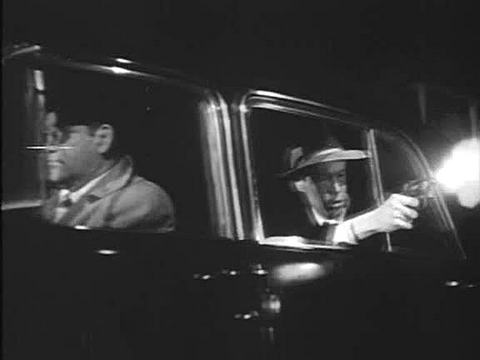
The opening scene hits the screen full-on with a car chase tensely running from right to left at night on a winding country road with the squealing of tyres, and gun-shots from the pursuing police car. The credits are delayed a few seconds while the cars careen, and then the film’s title is presented in uber-cool animation. The car being pursued crashes down an embankment and the scenario is set as cops shine torches on the occupants of the car – unconscious and strewn around the wreck.  One of the cops asks off-screen what were the new DA and his wife doing in a car driven by escaped con Dixie Logan?  Revealing more risks spoilers.

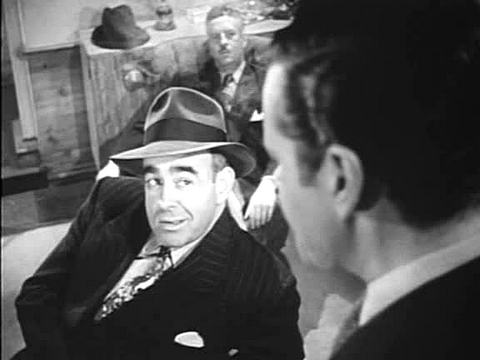
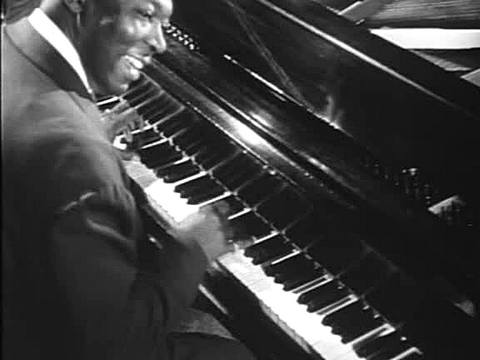
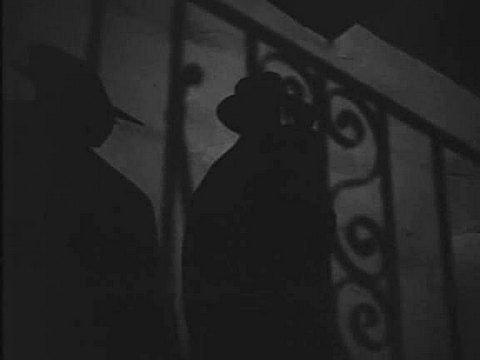
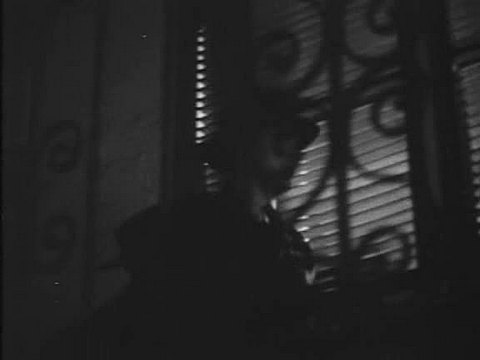
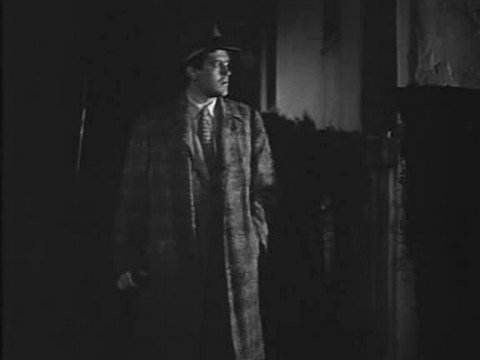
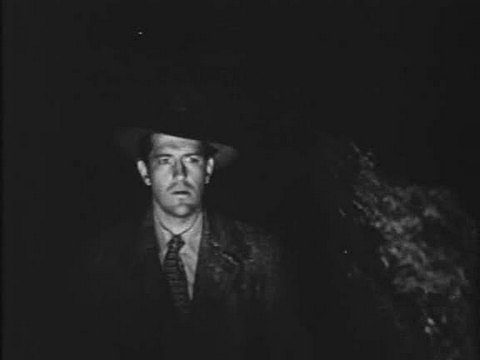
I have selected quite a few frames to showcase the noir visuals, include one from a restaurant scene with a great boogie piano interlude by black musician Gene Rodgers.

A definite must-see!


The Brothers Rico (1957): The life-style of the Mob executive

A late noir from Phil Karlson, The Brothers Rico (1957), although saddled with a lumbering script and a leavening of melodrama that not even fluid camera-work from Karlson and his DP Burnett Guffey can redeem, is for anomalous reasons interesting. The flat monochrome visual style that reflected the growing influence of television in the 50s also flattens the drama, but paradoxically gives the portrayal of Mob operations a ‘corporate’ make-over. Richard Conte an ex-Mob accountant running a legit laundry business in Miami is sucked back into the racket after his two younger brothers fall foul of the Mob. He travels across America by plane and hire-car in a desperate bid to save his siblings. The normality of the executive lifestyle is given a disturbing underlay. Martin Scorcese in a video interview sees the ‘flatness’ in this film as reflecting a sense of unease evident in the zeitgeist of the late 50s in America – things are not as they appear. Legit has a rotten underbelly, and hoods look legit.

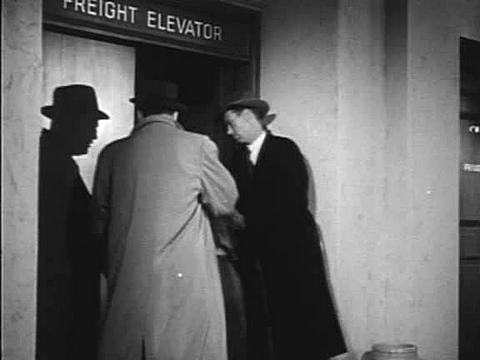
These brightly lit frames from the movie are evocative of the movie’s flat corporate feel:

Cinematic Cities: A Day at the Office in Depression New York – Hollywood not

I have been AWOL for a couple of weeks.  Truth be told I have had the flu and been wallowing in screwball comedies.  You know those preposterous post-Code 30s and 40s farces that have you laughing but not without some guilt?  The story lines are pretty uniform.  A down-and-out meets rich girl or guy, and ain’t the rich just so nice?  All outcomes endorsed by Dr Pangloss.

To a cynic like me though movies such as My Man Godfrey, The Lady Eve, Bringing Up Baby, Sullivan’s Travels, Palm Beach Story etc. are essentially reactionary.  Social inequality is disturbed yes, but the resolution re-establishes the status quo and affirms wealth and privilege as fine and dandy.

Even the down-beat musical comedy Gold Diggers of 1933 has a compromised ending.  The dark expressionist finale with studio rain must have struck audiences at the time as totally out of left field. But does it redeem the cosmetic resolution of the narrative, which offers up a soppy romantic reconciliation where rich guys are swell, and conspicuous consumption is just fine?  Hollywood likes to poke fun at the rich, but forgives privilege in the flutter of an heiress’s eyelashes.   Capra, La Cava, Sturges, Hawks et al are all apologists for the conventional wisdom.

Where I am headed with this?  Well, hidden away in the extras on the Criterion DVD of My Man Godfrey, is a 4½ minute un-credited newsreel item from the early 30s, with a theme etched in acid – a day at the office – and the narrator to my ear is black.  Some background.   In My Man Godfrey a dizzy socialite adopts a homeless man from the city dump as her protégé by employing him as a butler.  She falls for him and in the wash-up they marry on the site of the dump, which is now a ritzy night-club owned by the former butler, and where the once homeless are now employed as menials. You get the picture?

No Man of Her Own (1950): Sudser or Noir?

Olive Films has recently released a licensed DVD of No Man of Her Own.

“Melodramatic tale in which a desperate unwed mother (Barbara Stanwyck) assumes the identity of a wealthy woman killed in a train wreck, then faces exposure unless she pays off her blackmailing ex-boyfriend (Lyle Bettger). Director Mitchell Leisen drags out the contrived suds as the woman’s plight deepens until a sordid murder solves her immediate problems. Moral complications arising from the deception and some nasty menace.” Catholic News Service

“When lesser noir pictures fail, it’s often because the actors can’t put across the absurd plot contrivances. Stanwyck makes the most unlikely situations entirely believable; she gathers audience interest and sympathy like a sponge.” Glenn Erickson

“an excellent little thriller, tautly directed by Leisen and with a powerhouse performance from Stanwyck as a pregnant woman who assumes the identity of a young bride killed with her husband in a train crash… constantly surprising and deliriously implausible.” Time Out

“remains faithful to Woolrich’s novel up to the final minutes when it bypasses the nihilism of Woolrich’s ending… “ Geoff Mayer – Senses of Cinema

“a lurid and artificial tale, loaded with far-fetched situations and deliberate romantic cliché’s. This sort of female agonizing, in which morals are irresponsibly confused for the sake of effect, makes diversion for none but the suckers…” Bosley Crowther – The New York Times

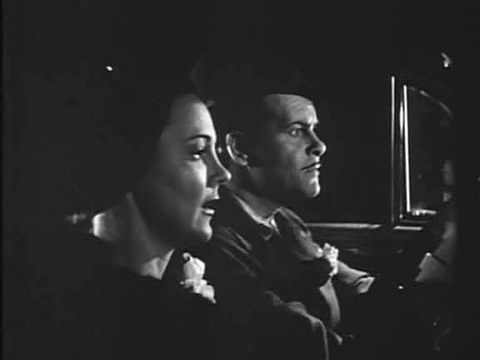
In No Man of Her Own, based on Cornell Woolrich’s novel, I Married a Dead Man (as William Irish 1948), director Mitchell Leisen takes the book’s implausible plot and renders the melodrama as a dark noir tale with a last redemptive twist. Some say it is the grandeur of Barbara Stanwyck’s imposter that carries the film. Stanwyck is great as a tortured woman on the skids who finds a haven in the home of a kind family, but director Leisen and DP Daniel L. Fapp create a cinematic ambience that resonates and amplifies the drama played out in the protagonist’s mind as much as through her physical presence. Lyle Bettger is convincing as the most evil and venal homme-fatale in Hollywood noir, and the rest of the cast is rock-solid. Critics have panned John Lund’s performance as the stricken beau as ‘wooden’. I don’t see it – Lund rightly plays a neglected son who grew up in the shadow of an older outgoing brother as timid and withdrawn.

Strange to say about a film noir, but No Man of Her Own is about decency as much as it inherits the dark nihilism of Woolrich and the contrived entrapment of his heroine in the malevolent tentacles of a malign universe. The decency of a woman who will do anything for her child, of a family that provides succour, and of a man that loves without guile or limit.

Director Leisen employs voice-over to portray inner conflict and an extended flashback to drive the narrative. His use of mise-en-scene for the dark climax brilliantly signifies the heroine’s entrapment after a futile attempt to break out. A car usually the symbol of escape and freedom becomes a prison cell she can’t escape – she has lost control. Unable even to drive the car to evade doom – she is consigned to the back seat while others take over.

An essential noir.


Summary Noir Reviews: Two Colored Red

The Red House (1947)

Mediocre rural gothic melodrama masquerading as noir horror. A deranged man’s terrible secret is hidden in a red house nestled in a dark forest. Edward G. Robinson as the nutter does his best, but the direction by Delmer Daves is uninspired – the pace is meandering and there is never any real tension.

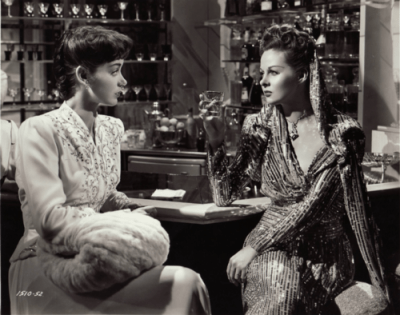
Susan Hayward and Marsha Hunt in Smash-Up (1947) featured in Red Hollywood

Red Hollywood (1996)

Interesting documentary on films made by Hollywood leftists in the 30s, 40s, and 50s, includes rare interviews with scenarists, directors, and producers.  Guys like  Paul JarricoAlfred Lewis Levitt and Abraham Polonsky.  The makers take HUAC at their word and explore many Hollywood movies for ‘subversiveness’  – including a bunch of noirs.  There is a confronting leftist critique of Intruder In the Dust (1949), and the back-story on how the big studios connived to bury the independently produced Salt of the Earth  (1954) – the only American film to tell the striker’s side of an industrial dispute.  There are fascinating clips from movies you will have never heard of and will likely never see. Recommended.


Cinematic Cities: Taxi to Nowhere

Born to Kill (1947): Direction by Robert Wise  |  Cinematography by Robert de Grasse