

Robert Siodmak’s Christmas Holiday starts off conventionally on Christmas Eve with the graduation of an army lieutenant at an army base. Back at barracks to pack for the Christmas holidays before shipping out overseas to join the war effort, he gets a dear john telegram from the girl he hoped to marry in Frisco the day after Christmas. He still boards his flight ready to have it out with her. But bad weather forces the plane to land in New Orleans for passengers to wait out the wind and the rain at a hotel. The conventional is instantly jettisoned. We now enter a dark surreal world animated by suppressed taboos and violence contained within a strange subterranean universe. Siodmak proceeds to smash genre conventions by unleashing a wild expressionist ambience that has you appalled yet enthralled. Full of bizarre surprises like Gene Kelly as an homme-fatale!
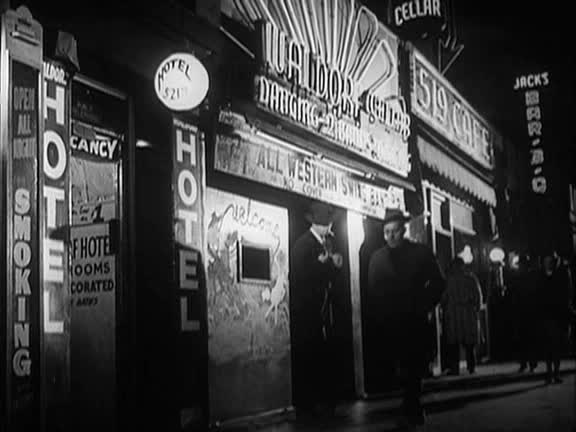
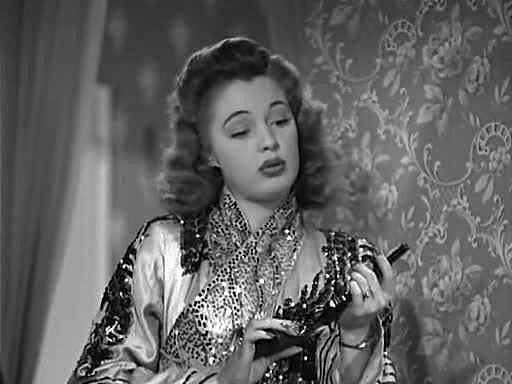
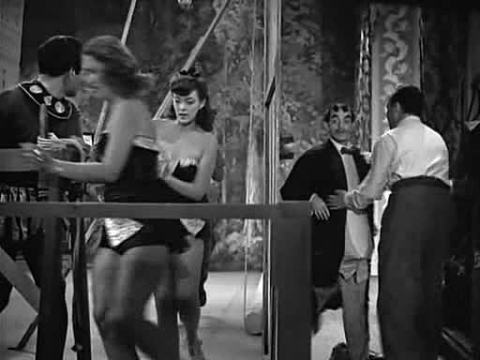
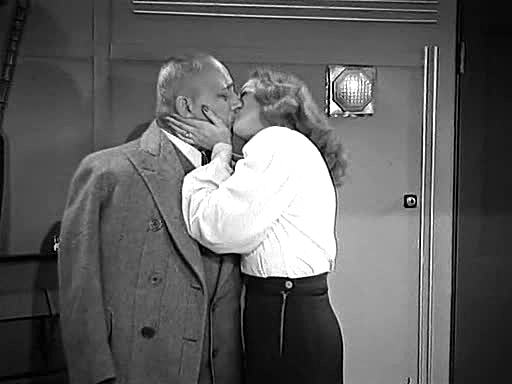
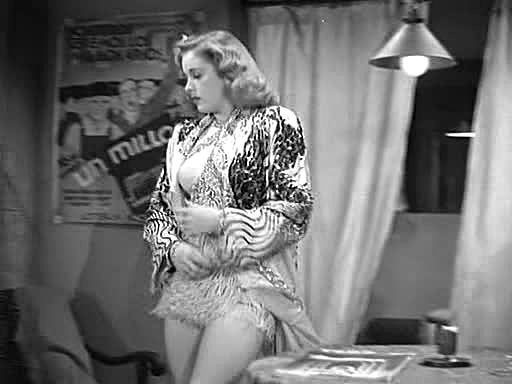
At the hotel bar our lieutenant is befriended by a bored local newspaper reporter who is a bit of lush. The reporter takes the soldier to a bordello to see if a local fixer can get him to Frisco faster, and if not, for a good time. A band is playing and a sour-faced ‘hostess’ steps up to the stage and sings a sultry number motionless and deadpan – but with a voice to die for. Enter Deanna Durbin totally against type. The madame at the reporter’s suggestion has Deanna keep the soldier company while the increasingly drunk reporter goes to the office to be paid his weekly ‘honorarium’. The reporter passes out, but not before he gives the madame an invitation to midnight mass to pass on to the lieutenant. The soldier wants to take a raincheck, but strangely the singer begs that he take her. At the cathedral the melodrama goes into over-drive with the girl collapsing into a crying fit. Later at an all night diner the girl reveals her current employment is a kind of escape and punishment for her husband having being convicted of murder. The rest of the scenario then plays out as a lurid story of obsession, guilt, and entrapment via a series of disjunctive flashbacks, with the dénouement played out in the darkly lit madame’s office.
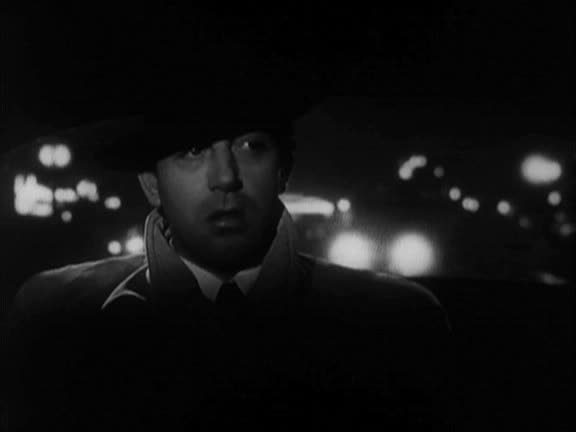
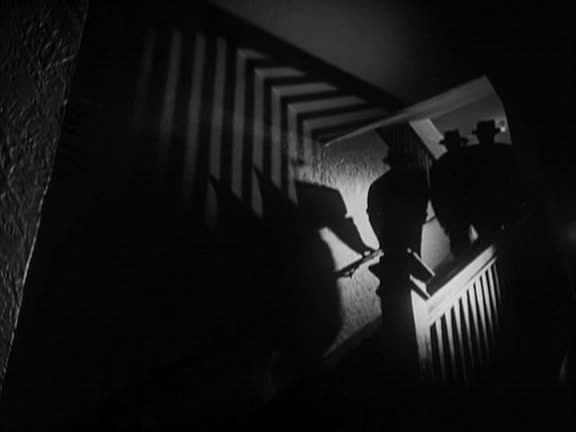
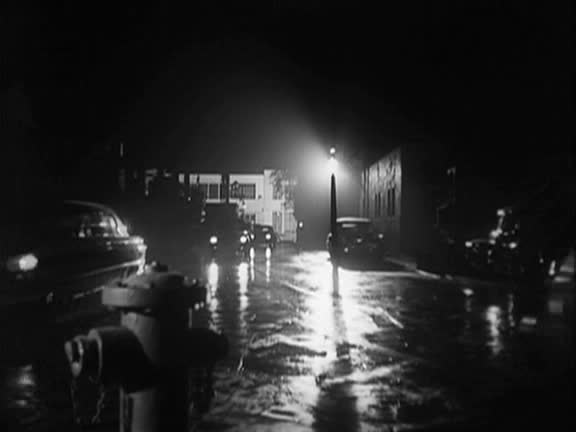
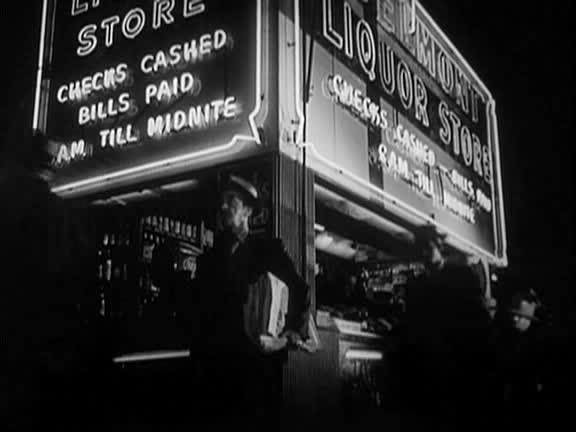
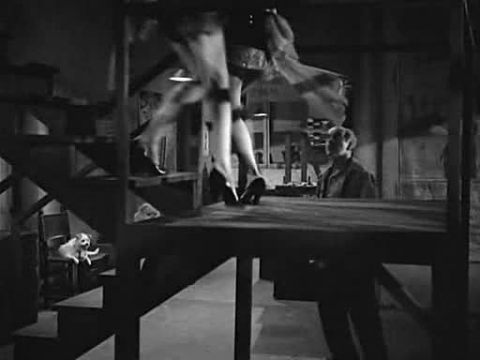
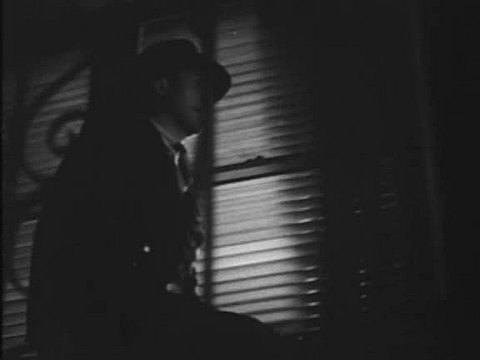
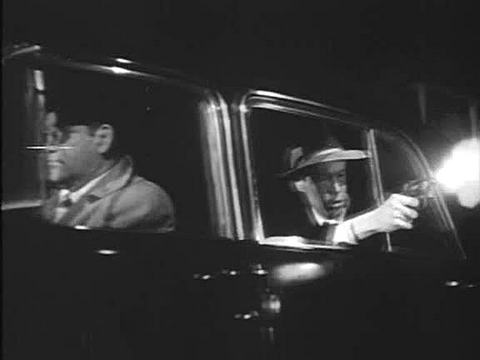
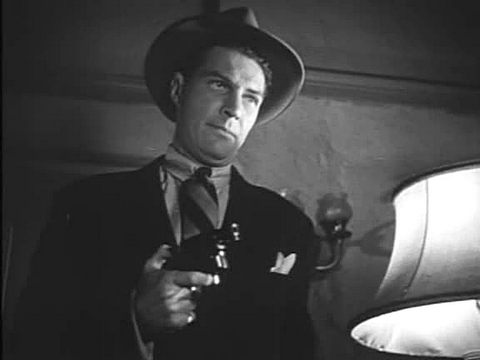
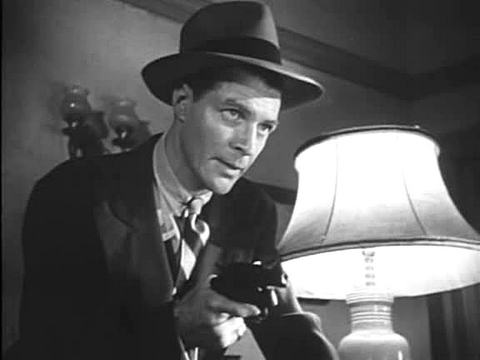
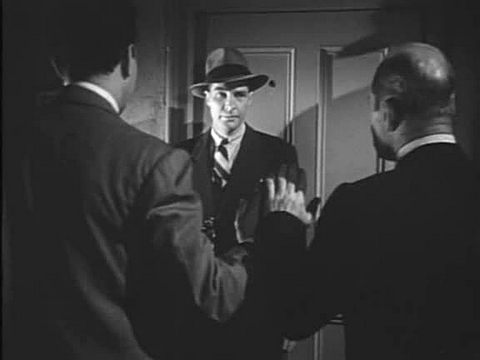
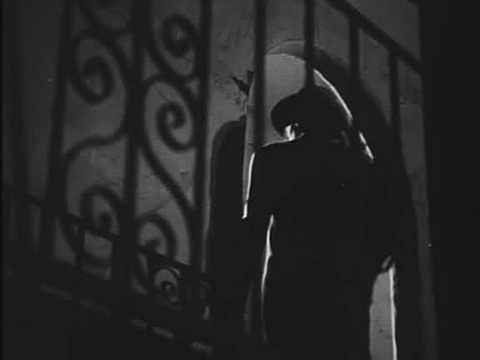
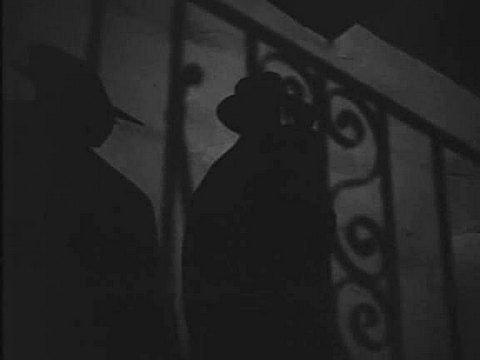
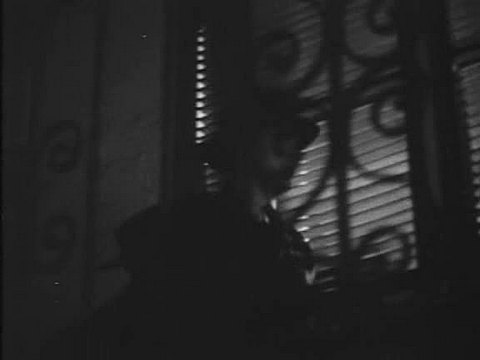
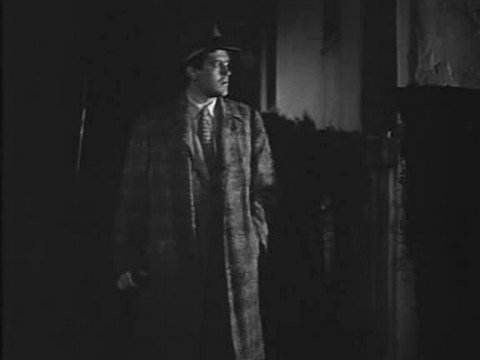
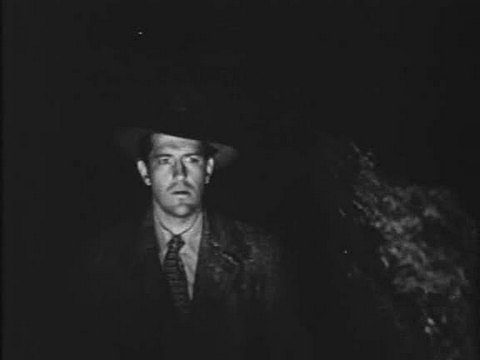
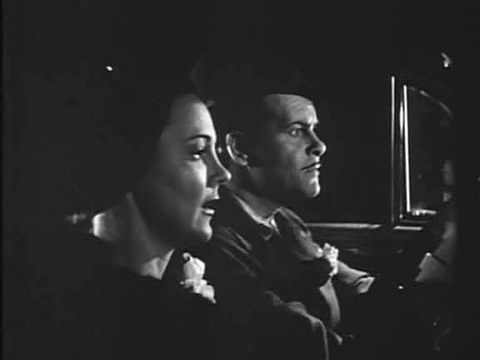
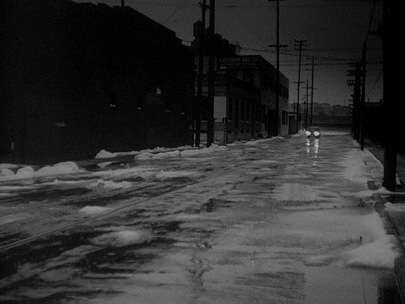
Never mind the melodrama and the absurd script – by Herman J. Mankiewicz of Citizen Kane fame no less. Siodmak subverts melodrama tropes with a series of brilliant set pieces that take your breath away. Classical music, brilliant lighting, a meticulous mise-en-scène, the deadpan Durban visage, and the use of monumental spaces filmed with sweeping tracking and crane shots, and in deep focus – church, concert hall, and the expansive lobbies of the hotel and the brothel rendered in sublime majesty – each with an achingly intimate counterpoint – by a perverse alchemy forging a visual cornucopia that fully realizes a chemistry with DP Woody Bredell that Phantom Lady (1944) only hints at.
A lurid, crazy, and weird, yet totally compelling phantasmagoria that transcends banal genre imperatives. The crescendo of saintly escape into the black abyss of the clearing night sky revealed by departing clouds in the final scene eclipses the ending of Criss-Cross (1949).
Essential.








 FilmsNoir.Net - all about film noir