
Jules Dassin: 1911-2008
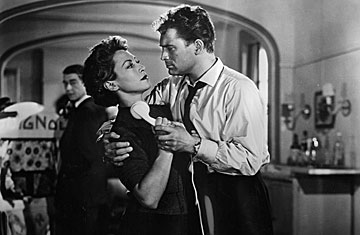
Rififi (1955)
The New York Film Forum from March 27 to April 12 will host a Jules Dassin retrospective over 12 days. March 31 mark the anniversary of Dassin’s passing. All of Dassin’s major features will be screened, including:
- Brute Force (1947)
- The Naked City (1948)
- Thieves’ Highway (1949)
- Night And the City (1950)
- Rififi (1955)
 FilmsNoir.Net - all about film noir
Tony,
Thanks,I hope you don’t mind if I share this film noir
info(rmation) on “meblog!”
Take care!
Dcd 😉
LikeLike
No worries Dcd.
LikeLike
Try and guess Tony (and Dee Dee) who will be “Johnny on the Spot” at that Film Forum retrospective!?! I will do my best to see most of the screenings, and i’ll drag some others along as well!
This is simply fantastic news!
LikeLike
On Rififi note this reference:
http://pqasb.pqarchiver.com/chicagotribune/access/64851112.html?dids=64851112:64851112&FMT=ABS&FMTS=ABS:FT&date=Dec+01%2C+2000&author=Michael+Wilmington%2C+Tribune+Movie+Critic&pub=Chicago+Tribune&desc=RESTORED+%60RIFIFI'+PERFECT+EXAMPLE+OF+CLASSIC+NOIR&pqatl=google
Note the quote from this clip as it says what I would say but in a much better way:
As writer and director [Jules Dassin] builds the scene, his camera hovers over his four main characters — professional thieves drilling though the store ceiling from the apartment above, lowering themselves through the hole and then painstakingly cracking the jewelry store safe. Dassin records each detail with icy thoroughness: an umbrella dropped through the hole to catch debris, the drill bits that keep breaking. And in that murky little shop he sculpts a scene of such agonizing tension and near-documentary veracity that it made “Rififi” an international smash hit, won him a Cannes Best Director prize and inspired innumerable heist movies.Yet for younger audiences, “Rififi” may be an unseen classic, unavailable in good versions on video, starring actors unknown to them — Jean Servais and Carl Mohner. The new restored version from Rialto, now at The Music Box Theatre, should revive its reputation — and Dassin’s, too. The movie looks even better now, with its unforgettably gray and rainy monochrome Paris swallowed up in an atmosphere of tough-guy cynicism and mounting dread and doom. At the center is an archetypal man alone: wounded loner Tony, or “le Stephanois,” played by Servais, an actor with a ravaged face and the mournful, haunted eyes of a French Humphrey Bogart.
LikeLike
Thanks Edward – a great quote which rightly identifies Jean Servair as the quintessential noir protagonist.
As I said in a comment on another blog:
“George Orwell, who died at 46, wrote in his last dairy entry that a man at the age of 50 has the face he deserves. An academic on the radio said Orwell was only partly right: a man at that age has the face he has willed. Tony has such a face – all the pain, betrayal, failure, and tarnished honour that follows, is in his face.
Noteworthy also are the final desperate scenes with the dying Tony’s car careening on the streets of Paris as he desperately tries to get the kidnapped kid back to his mother. The last scene is truly evocative: the mother with the returned child in her arms looks at the dead Tony in the car with stony disaffection, then turns and enters her home. She is a peripheral character, but earlier in the movie she has the best line in the film. In her anger and angst at her young son’s kidnapping, she calmly confronts her hood husband with these words: ‘There are kids… millions of kids who have grown up poor. Like you. How did it happen… What was the difference between you and them that you became a hood, a tough guy, and not them? Know what I think Jo, they’re the tough guys, not you.’”
LikeLike